Delhi CM’s AQI Remark Sparks Outrage Amid Worsening Pollution Crisis
- Anjali Regmi
- Dec 10, 2025
- 5 min read

Delhi’s ongoing pollution crisis has once again become a major talking point after the Delhi Chief Minister described the Air Quality Index as a kind of temperature detected by any instrument. The remark drew strong reactions from experts, political leaders, and residents. Many felt the comment showed a lack of clarity at a time when citizens are struggling with severely polluted air. In this blog we look at the context of the remark, why AQI matters, and why clear communication is important during such a health challenge.
What AQI Really Means
Understanding the Air Quality Index is essential for every citizen. AQI is not a temperature but a number based on pollutants in the air. These pollutants include particulate matter, nitrogen dioxide, sulfur dioxide, ozone, and carbon monoxide. When the AQI crosses certain levels the air becomes harmful even for healthy people. In Delhi this situation has been repeated every year especially in the winter season. People look to their leaders for guidance and accurate information because health risks increase sharply when pollution rises. A correct explanation helps people understand why they need to take protective steps and follow advisories.
Public Reactions to the Remark
Public reactions to the Chief Minister’s remark were immediate. Many experts on air pollution pointed out that comparing AQI to temperature can mislead people. Temperature is measured in degrees while AQI is a combined index that shows the level of pollution. Citizens already struggle to understand the difference between visible fog and toxic smog. A confusing explanation can add to public uncertainty. Critics argued that leaders must provide clear facts because communication plays a big role in shaping people’s understanding of any public health crisis.
Political Debate and Rising Concerns
The remark also sparked political debate. Opposition parties attacked the government and said that the comment showed a careless attitude toward a serious health threat. They argued that this year Delhi’s air quality reached hazardous levels and schools were often forced to shift to online classes. Many people stayed indoors and doctors reported a rise in respiratory complaints. In such a situation political leaders should focus on solutions and public health rather than statements that can distract from the real issue. Citizens want reassurance and accurate information when the air becomes unsafe.
Delhi’s Long Struggle with Pollution
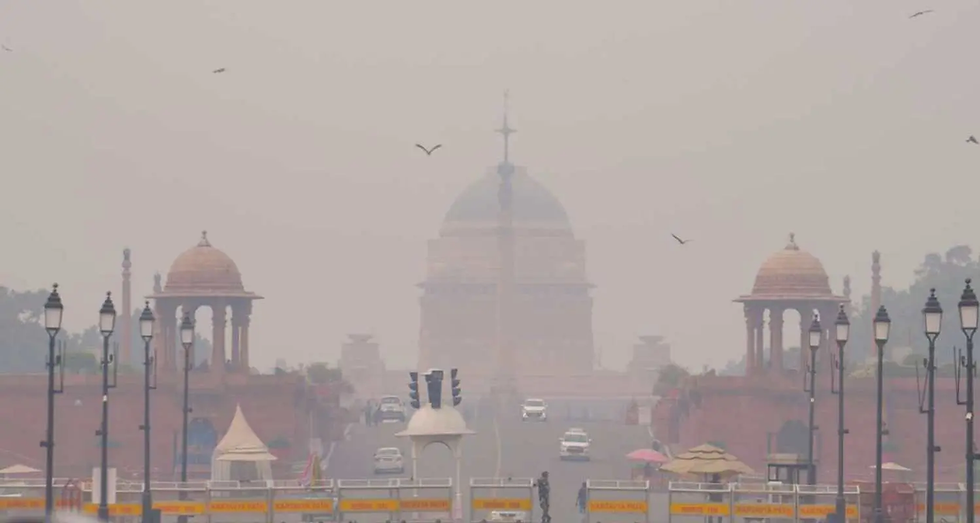
To understand why this debate matters we need to look at the pollution situation in Delhi. For years the capital has struggled with rising particulate matter. Vehicles, construction dust, industrial emissions, and burning of waste all contribute to the poor air quality. During winter the problem becomes worse because of calm winds and low temperatures that trap pollutants close to the ground. The city often remains under the severe category on the AQI scale. This makes daily life stressful for millions of people who must breathe the toxic air every day.
Life Under the Smog
Residents of Delhi have learned to live with masks, air purifiers, and frequent warnings from health departments. Children and elderly citizens face the highest risk. Many people report irritation in the eyes, breathlessness, and headaches during the peak smog season. Outdoor sports and morning walks become difficult. This affects daily life. In this environment the role of government communication becomes very important. People need clear instructions on when to avoid going outdoors and how to protect their health. Accurate information can prevent panic and help people take simple but effective steps to stay safe.
Why Clear Communication Matters
Beyond political debate the issue points to a larger challenge. Many people still do not fully understand how AQI works. This lack of awareness affects daily choices. Knowing what the AQI means can help people decide whether to stay indoors or wear protective masks. It also helps them understand long term health effects. Clear communication from leaders can strengthen public understanding and encourage safer behaviour. When people know the facts they are more prepared to face difficult environmental conditions.
The Need for Accurate Public Messaging
Experts say that public messaging should be simple but scientifically correct. Leaders do not need to use complicated terms but they must avoid incorrect comparisons. When AQI is compared to temperature it can give the impression that pollution is only about heat or cold. In reality pollution is about invisible particles that can enter the lungs and bloodstream. These particles can cause asthma, heart disease, and long term respiratory damage. Clear facts help people take pollution seriously. Correct messaging can influence how the public responds to advisories and safety measures.
Looking Beyond the Controversy
The debate around the remark also reminds us that environmental issues require consistent attention. Every winter there is a temporary focus on pollution but long term steps often move slowly. To reduce pollution Delhi needs cleaner transport, better waste management, and stronger action against dust. It also needs cooperation from neighbouring states because crop residue burning adds to the smog. Without a joint effort the city will continue to suffer year after year. Long term planning is necessary to bring real change.
Role of Citizens in Better Air Quality
Citizens too have a role to play. Many people still burn waste in open areas. Some vehicles remain poorly maintained and release high emissions. Construction sites sometimes fail to follow dust control rules. Public awareness and responsible behaviour can make a difference. When people understand the seriousness of pollution they are more likely to support long term policies that can improve air quality. Community cooperation can help reduce pressure on the environment.
Lessons in Crisis Communication
The controversy surrounding the Chief Minister’s remark offers a lesson in crisis communication. Leaders must choose their words carefully especially when the topic concerns public health. Clear explanations help people understand the problem and build trust in authorities. Confusing statements on the other hand can create doubts and weaken the response to a crisis. People want reliable information when their health is at risk and they expect leaders to speak with accuracy and responsibility.
Moving Toward Solutions
Delhi’s pollution crisis is not a new issue. Every resident has experienced days when the air smells of smoke and visibility becomes low. Schools close, flights get delayed, and hospitals see more patients with breathing problems. Seasonal pollution has almost become a part of life. Yet every year people hope for improvement. They want cleaner air and stronger action. They expect leaders to understand the issue well and communicate responsibly.
As the debate continues it is important to focus on solutions. Instead of arguing over statements the real goal should be to improve Delhi’s air quality. This means pushing for cleaner fuel, expanding green spaces, monitoring industries, and encouraging public transport. It also means involving citizens in awareness campaigns. When everyone works together change becomes possible.
Conclusion
In the end the remark may fade from memory but the pollution problem will remain unless strong action is taken. Delhi needs long term planning rather than seasonal concern. The city deserves clean air and residents deserve honest information. Every winter reminds us that pollution is not just an environmental problem but a public health crisis. Good leadership and clear communication can help build a safer future for the capital.


Comments