Ending the Maoist Era: Chhattisgarh Sets a Target for 2026
- Anjali Regmi
- 4 hours ago
- 4 min read

For decades, the dense forests of Bastar and the surrounding regions of Chhattisgarh have been synonymous with a conflict that seemed never-ending. The Maoist insurgency, often called the Red Corridor, has impacted generations of tribal communities, stalling development and claiming thousands of lives. However, a major shift is happening on the ground. Recent reports from the state government suggest that the tide has turned significantly.
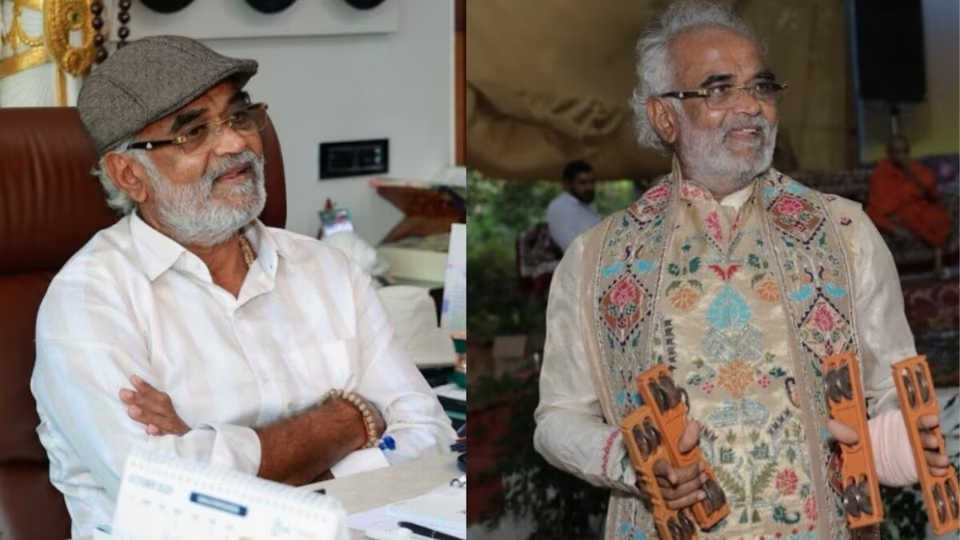
Chhattisgarh Deputy Chief Minister Vijay Sharma recently shared some striking numbers that tell a story of intense pressure and rapid change. Since the start of 2024, security forces have neutralized 532 Naxalites in various operations. While the number of casualties is high, the broader strategy is about more than just combat. With over 4,700 Maoist cadres either arrested or choosing to surrender in the same period, the movement is facing an unprecedented internal collapse.
The most ambitious part of this update is the timeline. The government has set a firm goal to eliminate the Maoist threat entirely by March 31, 2026. This is not just a local ambition but part of a larger national push to make India free from Left Wing Extremism.

The Numbers Behind the Shift
To understand the scale of the recent operations, one has to look at the statistics shared by the Home Department. Between January 2024 and early 2026, the crackdown has been relentless. The 532 Naxalites killed include several high-ranking leaders from the Central Committee and the Politburo. These are individuals who directed strategy and operations across multiple states, so their removal represents a massive blow to the organizational structure of the Maoists.
The recovery of weapons has been equally significant. Security forces have seized more than 1,100 weapons, ranging from basic country-made pistols to sophisticated AK-47s, LMGs, and mortars. This suggests that the insurgents are losing their firepower and the ability to hold territory.
Perhaps the most encouraging statistic for the government is the surge in surrenders. Around 2,700 people have laid down their arms and walked out of the jungle in the last year and a half. For the first time in many years, the number of people surrendering is beginning to outpace the number of people being arrested. This shift indicates that many lower-level cadres no longer see a future in the insurgency and are looking for a way back into mainstream society.
A New Approach to Rehabilitation
Winning a conflict like this requires more than just force; it requires giving people a reason to leave the fight. The Chhattisgarh government has introduced a "welcome kit" for those who surrender. This kit is designed to help former insurgents start a new life immediately. It includes basics like an Aadhaar card, a ration card, and an Ayushman health card.
In a modern twist, the government is also providing mobile phones to those who surrender. Deputy CM Vijay Sharma noted that these phones help people reconnect with the world and their families. He even mentioned that some are now using their phones to create social media content, marking a complete transition from the isolation of the jungle to the connectivity of modern life.
Beyond immediate kits, there is a focus on long-term skills. There are currently seven rehabilitation centers active in the state. So far, about 1,700 former Naxalites, including 410 women, have completed vocational training. They are learning trades that allow them to earn a living without ever having to look back at the life they left behind.
The Strategy of Development
The government’s plan to end the menace by 2026 relies heavily on filling the "security vacuum" with development. For a long time, Maoists thrived in areas where the state was absent. By building roads, schools, and hospitals in the remotest corners of Bastar, the government is making it harder for the insurgents to find support or hiding places.
The "double engine" governance model, with the state and central governments working in tandem, has allowed for better coordination. The Union Home Ministry has reduced the number of districts considered "highly affected" by Naxalism from double digits down to just a few. In Chhattisgarh, the focus is now on the last strongholds like Sukma, Bijapur, and Narayanpur.
Infrastructure projects are moving at a faster pace. New security camps are not just outposts for soldiers; they act as hubs for local development. When a camp is established, a road usually follows, and with the road come electricity and mobile towers. This "saturation" of welfare schemes ensures that the tribal population sees the tangible benefits of being part of the state.
Breaking the Financial and Ideological Back
A major part of the current success comes from targeting the financial networks that keep the insurgency alive. Maoists have long relied on "taxation" of contractors and mining operations to fund their activities. By tightening the grip on these financial flows and using central agencies to track money laundering, the government has choked the movement’s resources.
At the same time, there is a push to counter the Maoist ideology. For years, the insurgents claimed to be the only ones standing up for tribal rights. However, as schools and hospitals open and as tribal youth find jobs in the police force or as entrepreneurs, that narrative is losing its grip. The government is working to ensure that the Constitution of India reaches every village, providing a legal and democratic framework for resolving local grievances.
The Road to March 2026
Setting a deadline like March 31, 2026, is a bold move. It puts pressure on the security forces to maintain their momentum and on the administration to deliver on its development promises. The next twelve months will be critical. As the Maoists are pushed into smaller and smaller pockets of the forest, they may become more desperate, leading to more frequent encounters.
However, the mood in Raipur is one of confidence. The Deputy CM believes that the combined pressure of security operations and the pull of a better life through rehabilitation is working. The goal is to reach a point where Naxalism is no longer a "menace" but a closed chapter in the history of the state.
If this target is met, it will transform the economic landscape of Chhattisgarh. Areas that were once off-limits will open up for tourism and industry, bringing prosperity to a region that has been held back by violence for too long. The dream of a "Naxal-free Bharat" seems closer than ever, with Chhattisgarh leading the final charge.


Comments