India Tightens Grip on Social Media with New Three Hour Takedown Rule
- Anjali Regmi
- 12 minutes ago
- 5 min read

The digital landscape in India is shifting once again. For years, the internet felt like a vast frontier where rules were often slow to catch up with the pace of technology. However, the Indian government has just sent a clear signal that the Wild West era is over. By notifying the Information Technology (Intermediary Guidelines and Digital Media Ethics Code) Amendment Rules 2026, the authorities have introduced a strict new mandate. Social media companies now have only three hours to take down content deemed unlawful.
This is a massive shift from the previous thirty-six-hour window. Imagine a world where a post can go viral, reach millions, and trigger real-world consequences in the time it takes to watch a long movie. The government argues that in the age of high-speed fiber and 5G, thirty-six hours is an eternity. By the time a post is removed under the old rules, the damage—whether it be social unrest, misinformation, or personal defamation—is often already done.
The Rush Against the Clock
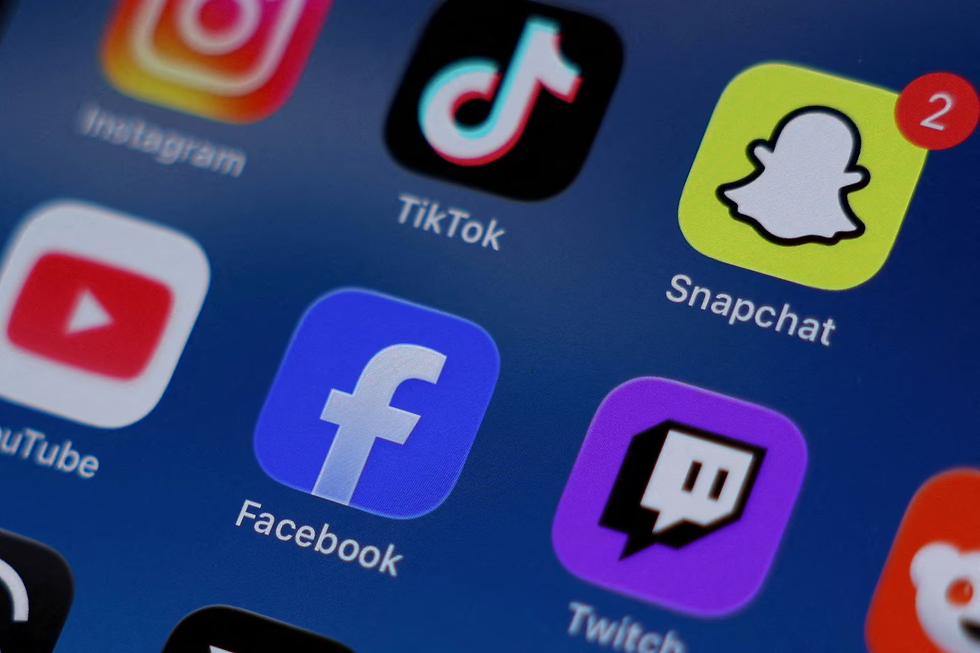
The core of this new regulation is speed. When a court or a government agency issues an order to remove a specific piece of content, the clock starts ticking immediately. Within one hundred and eighty minutes, the platform—be it X, Facebook, YouTube, or Instagram—must ensure the content is no longer accessible to users in India.
This "three-hour rule" is one of the most aggressive digital regulations globally. For the platforms, this isn't just a technical challenge; it is an operational nightmare. They now have to maintain robust, 24/7 legal and moderation teams that can interpret government orders and execute removals almost instantly. There is very little room for a manual review or a legal appeal before the content has to vanish.
Targeting the Threat of Deepfakes
While the three-hour rule applies to general "unlawful" content, the government is particularly focused on the rise of "synthetically generated information." This is the formal term for deepfakes and AI-altered media. We have all seen the videos—celebrities saying things they never said, or politicians placed in compromising situations that never happened. These digital forgeries have become so realistic that the average person cannot tell the difference.
The new rules require platforms to be proactive. If a piece of content is flagged as a non-consensual deepfake—especially those of a sexual nature—the timeline is even tighter. In some cases, platforms are expected to act within two hours. The goal is to stop the spread of harmful AI content before it can be downloaded and reshared across private messaging apps like WhatsApp or Telegram, where it becomes much harder to track.
Mandatory Labels for AI Content
It is not just about taking things down; it is also about transparency. Under the 2026 amendments, social media companies must now ensure that any AI-generated content is clearly and prominently labeled. You might have already noticed small "AI-generated" tags on some platforms, but now this is a legal requirement.
The rules go a step further by mandating the use of "persistent metadata." This means that information about the AI's origin must be baked into the file itself. Even if someone takes a screenshot or screen recording, the digital "fingerprint" should theoretically stay attached. This helps in tracing the source of a video or image back to the tool that created it.
Shorter Windows for Grievances
The average user is also affected by these changes, hopefully for the better. If you report a post because it violates the law or harms your privacy, the platform can no longer take its time to get back to you. The new rules have slashed the time for acknowledging user grievances.
Acknowledgement: Platforms must now acknowledge a user complaint within two hours.
Resolution: The time to resolve a complaint has been cut from fifteen days down to just seven days.
Response to Orders: Lawful takedown orders are down from thirty-six hours to three.
These changes are designed to make big tech companies more accountable to the individual user. In the past, filing a report often felt like shouting into a void. Now, there is a legal stopwatch running against the company the moment you hit that "report" button.
The Technical Challenge for Big Tech
For a company like Meta or Google, managing content in a country with over a billion internet users is a Herculean task. India is one of their largest markets, but it is also one of the most complex. The new rules force these companies to lean even more heavily on automated systems.
The problem with automation is that it isn't perfect. Algorithms often struggle with sarcasm, cultural nuances, or political satire. There is a genuine fear among digital rights advocates that the three-hour window will lead to "over-takedowns." To avoid heavy fines or the loss of their "safe harbor" protection (which shields platforms from being sued for what their users post), companies might choose to delete first and ask questions later.
Impact on Free Speech and Digital Rights
This is where the conversation gets a bit complicated. On one hand, everyone wants a safer internet where deepfakes don't ruin lives and hate speech doesn't spark violence. On the other hand, the ability of the government to demand content removal in such a short window raises concerns about censorship.
Critics argue that if the government can order a post to be removed in three hours, there is no time for a creator to defend their work. If a journalist posts a report that the government finds "unlawful," it could be gone before the public even has a chance to see it. This "takedown in a jiffy" approach could potentially be used to silence dissent or hide inconvenient truths under the guise of maintaining public order.
What This Means for the Average User
As an everyday user of social media in India, your experience is about to change in subtle but significant ways.
More Labels: Expect to see many more "AI-generated" disclosures on your feed.
Faster Feedback: If you report someone for harassment or identity theft, you should see action much faster than before.
Content Disappearance: You might notice posts or videos vanishing from your feed more frequently as platforms scramble to comply with new orders.
Verification Steps: When you upload a video, the platform might ask you to "declare" if you used AI to create it. Being honest here is important, as failing to disclose AI use could lead to your account being flagged or banned.
The Road Ahead
The Indian government's new rules are part of a global trend. From the European Union to Brazil, governments are tired of asking nicely and are now moving toward hard deadlines and heavy penalties. India, however, has set the bar particularly high—or the timeline particularly low.
As these rules go into effect on February 20, 2026, all eyes will be on how the tech giants respond. Will they build new AI-powered "takedown engines" that can meet the three-hour limit? Or will we see more legal battles in Indian courts over the boundary between digital safety and digital freedom?
One thing is certain: the speed of the internet in India has just met the speed of the law. The next time you see a controversial post, don't be surprised if it’s gone by the time you finish your lunch.


Comments