The Korba Horror: A Broken Trust and the Hunt for Justice
- Anjali Regmi
- Jan 12
- 5 min read

The industrial town of Korba in Chhattisgarh is currently reeling from a crime so heinous that it has shaken the collective conscience of the entire state. A nineteen-year-old girl, full of hope and future dreams, was subjected to a brutal gang-rape by five men. What makes this case even more chilling and deeply disturbing is the identity of one of the prime accused: a driver associated with the "Dial-112" emergency response service. This is the very service that citizens are taught to call when they are in danger. Instead of finding a protector, the survivor found herself at the mercy of a predator.
As of today, the police have managed to arrest two of the accused, including the Dial-112 driver. However, the search continues for three other "monsters" who remain on the run. This incident has not only highlighted the vulnerability of women in secluded areas but has also raised serious questions about the vetting process for personnel who are integrated into our emergency safety systems.
A Night of Betrayal and Brutality
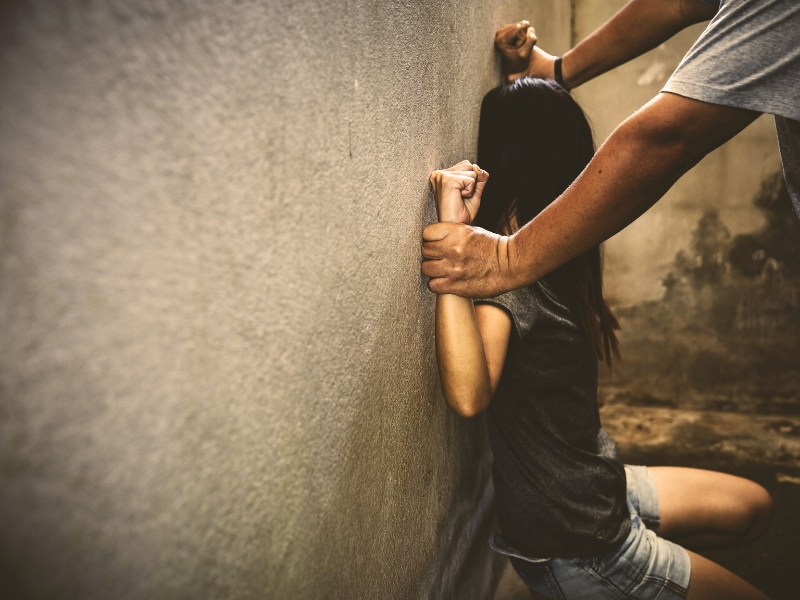
The nightmare began on a Thursday night in the Bankimongra area of Korba. According to the preliminary investigation and statements recorded by the police, the survivor was lured out of her home by someone she knew. In many of these tragic cases, the primary weapon used by predators is "trust." The individual, who was an acquaintance, reportedly called her and convinced her to accompany him to a secluded location.
Unknown to her, a trap had been set. When she reached the deserted spot, four other men were already waiting in the shadows. Among them was the driver of the Dial-112 vehicle. The five men then allegedly took turns to sexually assault her. The brutality of the attack was so severe that the girl was left unconscious at the scene. The accused, showing a complete lack of humanity, fled the spot, leaving her helpless and alone in the dark.
The Courage of the Survivor
When the survivor eventually regained consciousness, she showed immense strength. Despite the physical and mental trauma, she managed to find her way back home. Once there, she disclosed the entire horrific ordeal to her family members. Recognizing the gravity of the situation, her family immediately rushed her to the Government Medical College Hospital in Korba.
Medical professionals at the hospital provided her with emergency care and, following the protocol for such cases, alerted the local police. A "Zero FIR" was initially registered at the Civil Lines police station. A Zero FIR allows a complaint to be filed at any police station, regardless of where the crime took place, ensuring that there is no delay in starting the investigation. The case was subsequently transferred to the Bankimongra police station for a detailed probe.
The Involvement of the Dial-112 Driver
The most shocking aspect of this case is undoubtedly the involvement of the driver attached to the police’s emergency response system. Dial-112 is meant to be a lifeline. It is the number children are taught to memorize and the number women are told to dial if they feel unsafe. For a driver of this very service to be an accused in a gang-rape case is a massive blow to public trust.
The Superintendent of Police in Korba, Siddharth Tiwari, has acknowledged that this involvement is a source of great embarrassment for the department. While the driver was a private employee hired through a service provider for the unit, he still wore the mantle of a public servant in the eyes of the citizens. The fact that someone with access to police resources and locations could be involved in such a crime suggests a desperate need for more stringent background checks and psychological profiling for all personnel associated with law enforcement.
Two Held, Three Still Evading the Law
As soon as the matter was reported, the Korba police formed special teams to track down the culprits. Through a combination of technical surveillance and local intelligence, they were able to nab the main accused—the Dial-112 driver—and one other accomplice. Both are currently in custody and are being interrogated to pinpoint the locations of their associates.
However, the fact that three men are still at large has created a sense of anxiety in the local community. These three individuals are considered dangerous and are actively evading arrest. The police have intensified their search, conducting raids at multiple locations and checking the hideouts of known associates of the accused. The SP has assured the public that "strictest legal action" will follow and that it is only a matter of time before the remaining three are behind bars.
The Long Road to Recovery and Justice
While the police handle the criminal investigation, the focus must also remain on the survivor. She is currently undergoing treatment and is being provided with professional counseling to help her navigate the immense psychological trauma. The physical wounds may heal over time, but the scars left by such a betrayal of trust and humanity are deep.
Community leaders and activists in Chhattisgarh are calling for this case to be moved to a fast-track court. They argue that in cases as heinous as this, justice must not only be done but must be seen to be done quickly. A delay in the legal process often emboldens criminals and adds to the suffering of the victim's family. The state government is under pressure to ensure that there are no loopholes in the prosecution's case.
A Call for Systematic Reform
The Korba incident is a wake-up call for the administration. It isn't enough to just arrest the perpetrators; we must look at why this was possible. How does a person with such a mindset end up behind the wheel of a police emergency vehicle? There is a growing demand for a complete overhaul of how private contractors provide staff for sensitive government departments.
[Image representing safety, justice, and community support]
Furthermore, the "secluded location" where the crime occurred highlights the ongoing issue of poor lighting and lack of patrolling in mining townships and outskirts. Safety is a collective responsibility, but it begins with a system that is transparent, accountable, and above all, safe for the very people it promises to protect.
Conclusion: Standing with the Survivor
The people of Korba and the rest of the country are watching this case closely. The primary goal right now is the capture of the three absconding monsters. Until they are caught, the sense of justice will remain incomplete. We must stand in solidarity with the survivor and her family, ensuring they have the support they need to fight this long battle.
This tragedy serves as a grim reminder that we have a long way to go in making our society safe for women. It is a time for reflection, for anger, and most importantly, for action. We must demand a system where no girl has to fear the very people meant to be her shield.


Comments